Creating a Positive Environment to Combat Decision Fatigue in the Workplace
You can cut decision fatigue by building simple routines-like morning prep and task batching-that save up to 50 minutes daily and preserve focus. Encourage honest talks to reduce mental clutter and foster trust, while empathetic leadership helps teams feel heard and think clearly. Watch for signs like slow decisions or irritability, and act early with shorter feedback loops. Small, consistent changes work better than overhauled systems, especially when tailored to your team’s real workflow. There’s more to explore on how this plays out day to day.
Notable Insights
- Implement consistent morning rituals to reduce early-day choices and conserve mental energy.
- Batch similar tasks to minimize context switching and preserve cognitive resources throughout the day.
- Encourage honest, active listening in teams to reduce uncertainty and mental clutter.
- Practice empathetic leadership by acknowledging unspoken stress and fostering psychological safety.
- Rotate high-stakes decisions and shorten approval loops to prevent cognitive overload and burnout.
How Decision Fatigue Wrecks Workplace Performance?

While you might not notice it at first, decision fatigue can quietly erode your focus and efficiency throughout the workday, especially when you’re making constant small choices-from adjusting your office chair for comfort to deciding whether to reply to yet another email. Over time, this leads to cognitive overload, where your brain struggles to process information effectively, slowing your reaction time and clouding judgment. You’ll start feeling mental exhaustion, making it harder to stay engaged or prioritize tasks. Performance dips not because of lack of skill, but because willpower wears thin. You may still push through, but accuracy declines and frustration builds. This isn’t just about willpower-it’s about limited mental resources being drained by low-stakes choices. While ergonomic gear or noise-canceling headphones might help reduce discomfort, they can’t fix the root cause. The real issue lies in workflow design, not office upgrades.
Build Routines That Reduce Decision Fatigue
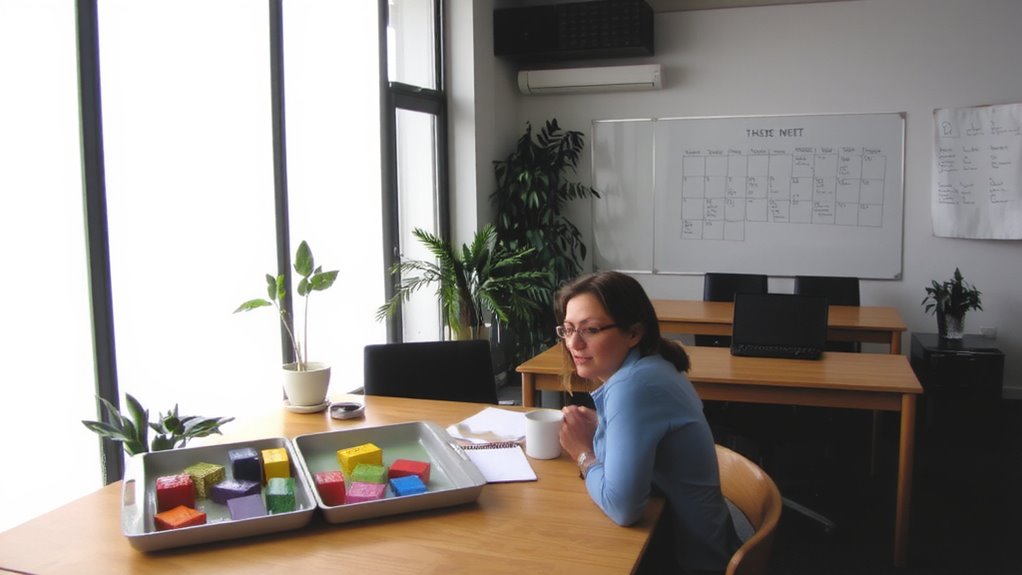
You can reclaim mental energy by building daily routines that minimize unnecessary choices, especially around recurring tasks. Establishing consistent morning rituals reduces early-day stress and sets a focused tone. Try task batching similar work-like emails or calls-into dedicated blocks to sustain momentum. This cuts context switching and preserves cognitive resources. Look at how structured routines impact your day:
| Routine Type | Time Saved Daily (Avg) |
|---|---|
| Morning rituals | 35 minutes |
| Task batching | 50 minutes |
| Weekly planning | 25 minutes |
These numbers come from studies tracking knowledge workers over six weeks. While not every routine fits all, testing one for 10 days gives a reliable sense of benefit. Yes, rigidity can backfire if overdone, so stay flexible. Simple tweaks beat complex systems needing special gear or apps. Save money and effort by using tools you already have.
Encourage Honest Conversations to Save Mental Energy

What if the simplest way to cut mental clutter was just saying what you mean? You save mental energy by fostering open dialogue where honesty replaces guesswork. When you encourage team members to speak clearly and often, you reduce the stress of assumptions. Pair this with active listening-giving full attention, asking clarifying questions, not just waiting to reply-and you build trust that prevents misunderstandings. Open dialogue doesn’t mean endless meetings; it means shorter, more focused conversations that get to the point. You’ll notice quicker resolutions and fewer repeated discussions. But it only works if people feel safe, so consistency matters. It takes effort to maintain, and forced honesty backfires. Start small: ask real questions, mean them, and listen like it matters-because it does.
Support Better Decisions With Empathetic Leadership
Clear communication sets the stage, but how decisions unfold often hinges on the leader’s ability to understand the people behind the words. You lead best when you practice emotional intelligence-recognizing stress, motivation, and unspoken concerns in your team. Active listening isn’t just staying quiet while others talk; it’s asking clarifying questions, summarizing input, and responding with respect. This builds trust, which reduces hesitation in decision-making. When your team feels heard, they engage more fully and conserve mental energy. But empathy isn’t a fix-all-it takes time, and in fast-paced settings, balancing speed with understanding is key. You’ll need to stay consistent, not performative. Real connection comes from daily habits, not occasional check-ins. Emotional intelligence strengthens decisions, but only if paired with clarity and action. You’re not solving emotions-you’re using them to guide better outcomes.
Spot the Signs Your Team Beats Decision Fatigue
How often do your team’s decisions feel sluggish, or worse, get quietly avoided? You’re likely seeing signs of decision fatigue, often rooted in cognitive overload and employee burnout. If your team delays choices, second-guesses frequently, or defaults to unsafe options, mental exhaustion is probably impairing judgment. Watch for irritability, missed details, or withdrawal-especially after back-to-back meetings or prolonged work stretches. These aren’t just bad habits; they’re red flags. Cognitive overload reduces working memory, making even simple calls feel overwhelming. Burnout amplifies this, draining motivation to engage. You should act early: shorten decision loops, prioritize clarity, and rotate high-stakes tasks. But don’t assume fixes like remote work or new office gear automatically help-some tools add complexity. Test changes in small teams, track decision speed and morale, and confirm improvements before scaling. Watch the people, not just the process.
On a final note
You’ll cut decision fatigue by streamlining routines and supporting open talks, but it’s not a quick fix. Simple changes-like consistent meeting times or clear task templates-save real mental effort over weeks. Empathetic leadership helps teams prioritize, though results vary by team size and workload. No app or office chair fixes this alone. Test strategies in two-week blocks, track energy levels, and adjust. Success means fewer burnout signs, not perfect days.