How to Choose Light Fixtures With Minimal Electromagnetic Field (EMF) Emissions
Choose incandescent bulbs in grounded, shielded fixtures to minimize EMF-these emit almost no RF or dirty electricity. Keep lights at least 6 feet from your desk or bed to reduce exposure. Avoid dimmers and smart switches, which create high-frequency noise. Skip smart bulbs due to constant RF emissions, even when off. Use simple on/off switches and confirm wiring is properly grounded for best results. If you’re using LEDs, pick low-EMF models with third-party testing.
Notable Insights
- Choose incandescent bulbs over LEDs when possible, as they emit negligible EMF and dirty electricity.
- Maintain a distance of at least 6 feet from desk and bedside lamps to reduce EMF exposure.
- Avoid dimmer switches and smart controls, which generate dirty electricity and increase electromagnetic interference.
- Use grounded fixtures with shielded wiring to significantly reduce electric field emissions.
- Skip smart bulbs that emit constant RF radiation; opt for simple on/off lighting instead.
Which Light Bulbs Emit the Least EMF?
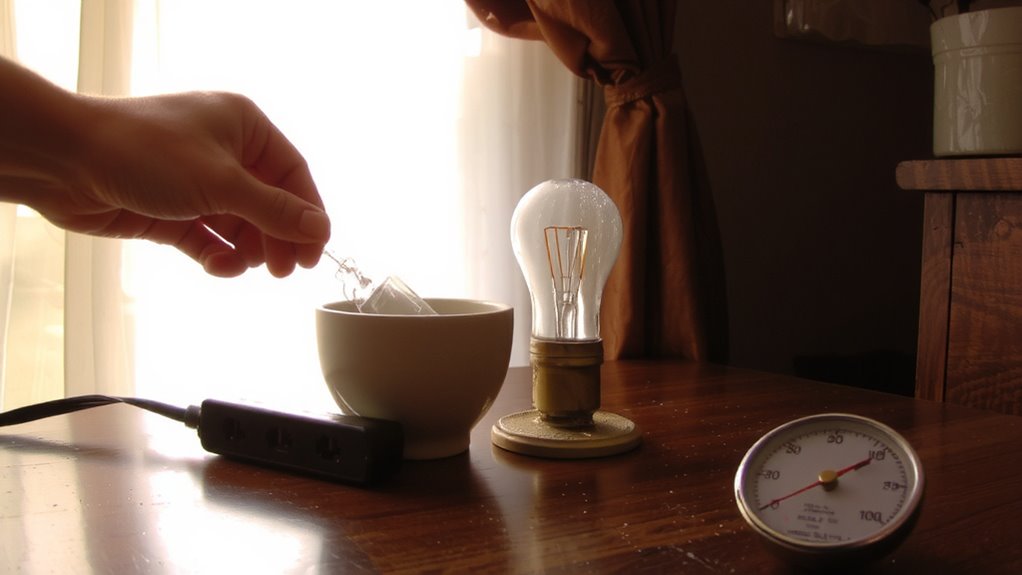
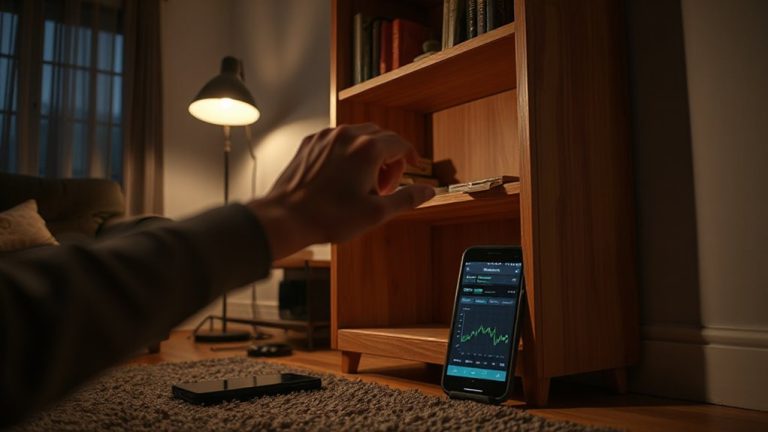
Incandescent bulbs top the list when it comes to low-EMF lighting-simple, reliable, and nearly free of electromagnetic fields. You’ll find they emit negligible RF and dirty electricity, making them ideal if you’re sensitive to EMF. While incandescent options are less energy-efficient and have shorter lifespans than LED bulbs, their EMF profile is hard to beat. Most LED bulbs, especially dimmable or smart versions, generate higher EMF due to internal drivers and electronic components. Some low-EMF LED bulbs exist, but they’re niche and often costly. If you prioritize EMF reduction, stick with incandescent bulbs where heat and energy use aren’t critical issues. Just note that availability has dropped since efficiency regulations phased out many models. You’ll need to seek out specialty retailers. Always test with an EMF meter-real-world performance can vary even within the same bulb type.
Keep Lights Away From Your Bed and Desk

How often do you sit or sleep within a few feet of a lamp or ceiling light? Light placement matters more than you think. For distance optimization, keep fixtures at least 6 feet from your bed or desk to reduce EMF exposure during long periods of rest or focus.
| Fixture Type | Recommended Distance |
|---|---|
| Desk Lamp | 6+ feet |
| Ceiling Light | 8+ feet |
| Bedside Lamp | 6–10 feet |
While moving lights farther away can lower EMF intensity, it may require brighter bulbs or task lighting to maintain usability. Relying solely on distance isn’t a fix for high-EMF fixtures. Be mindful of trade-offs-increased distance helps, but proper fixture choice still matters. You’ll need both smart light placement and low-EMF designs for best results.
Ditch Dimmers and Smart Switches to Cut EMF

While they offer convenience and ambiance, dimmer switches and smart lighting systems often increase your exposure to electromagnetic fields (EMF), so you’ll want to think twice before installing them-especially near beds or desks. These devices work by rapidly switching power, creating dirty electricity that radiates elevated magnetic fields throughout your space. Even when paired with simple incandescent bulbs, which emit lower EMF on their own, dimmers can still introduce high-frequency transients into your wiring. Smart switches add wireless signals, compounding the issue. If you prioritize low EMF, stick to basic on/off wall switches with direct line voltage. They produce minimal magnetic fields and avoid signal noise. Yes, you lose variable lighting control, but you gain cleaner electromagnetic conditions. For low-EMF lighting, simplicity wins-especially in areas where you spend long hours.
Use Grounded Fixtures With Shielded Wiring
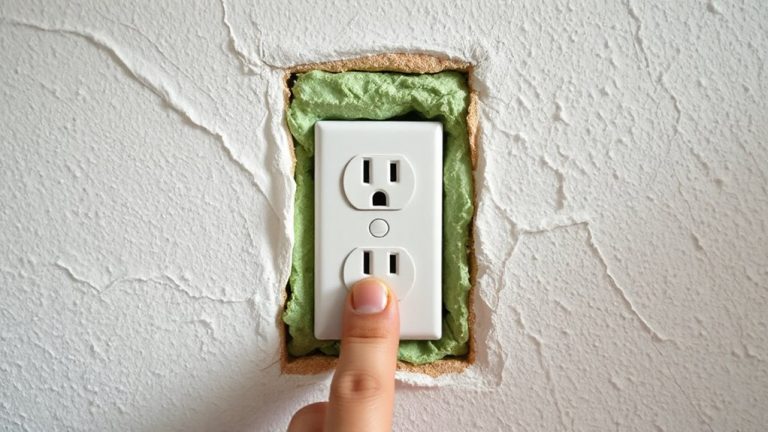
You’ll get the best EMF protection by choosing lighting fixtures that are properly grounded and wired with shielded cables, since these features actively reduce electric field exposure by containing stray emissions. Shielded cables block electromagnetic interference by trapping electric fields within a conductive layer, which must be connected to a grounded outlet to work effectively. Without grounded outlets, the shielding can’t dissipate energy safely, making proper electrical infrastructure essential. Look for fixtures labeled as grounded and confirm they include a third prong for grounding. While shielded wiring adds minimal cost, retrofitting older buildings may require updated circuits. Real-world testing shows reductions of up to 90% in electric field strength when both grounded fixtures and shielded cables are used correctly. However, improper installation can negate benefits entirely. Prioritize products with third-party EMF testing data and solid warranties-especially for task lighting near desks or beds. This isn’t a fix-all, but it’s a reliable step.
Choose Simple On/Off Lights Over Smart Bulbs
A basic on/off light is often your best bet for minimizing EMF exposure-smart bulbs, despite their convenience, emit constant RF radiation from built-in Wi-Fi, Bluetooth, or Zigbee chips, even when dimmed or turned off. These wireless signals create persistent EMF fields, which can add up if you have multiple smart bulbs throughout your home. Unlike smart bulbs, simple fixtures with manual switches don’t rely on wireless signals or automatic updates, cutting off power completely when not in use. That means no background radiation and lower long-term exposure. While smart bulbs offer remote control and scheduling, they’re not worth the trade-off if you’re aiming for low EMF. If you do use smart bulbs, limit them to less-frequented areas and turn off at the breaker when not needed. There’s no performance benefit that outweighs verified EMF reduction from simpler, wired-only systems.
Avoid High-EMF Setups in Bedrooms and Workspaces
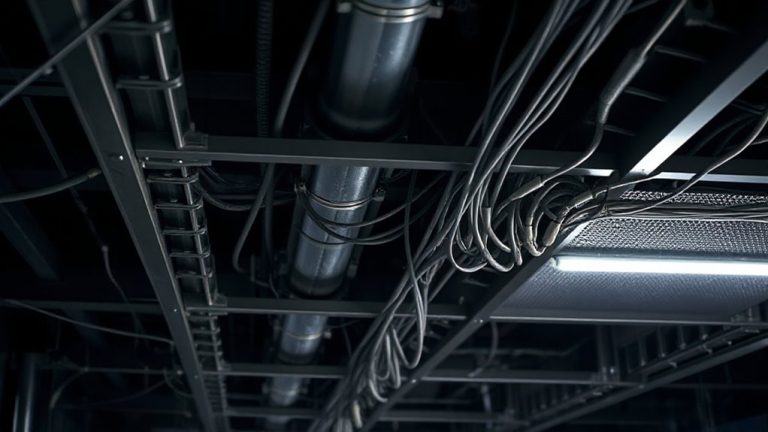
Why risk disrupted sleep or reduced focus when the lighting in your bedroom or workspace could be contributing to elevated EMF exposure? You should prioritize low-EMF setups in these areas since prolonged exposure near your head or desk may affect well-being. Poor wiring layout-like bundled or unshielded cables behind walls-can amplify ambient EMF, even with safe fixtures. Your fixture placement matters too: avoid mounting lights directly above or beside your pillow or workspace chair. Instead, use floor or wall lamps with simple wiring and place them a few feet away. Opt for fixtures tested with an EMF meter, ideally showing under 1 mG. While switching types may reduce light control options, the trade-off supports healthier environments. No single fixture eliminates all EMF, but smart placement and clean wiring layout make a measurable difference.
On a final note
You’ll cut EMF most by choosing basic incandescent or low-EMF LED bulbs, placing fixtures away from your head and workspace, and avoiding dimmers or smart switches. Grounded metal fixtures with shielded wiring help, too. But remember: truly low-EMF setups often mean giving up smart lighting convenience. Test bulbs with an EMF meter if possible-actual emissions vary by brand. Look for third-party lab reports and solid warranties when available, since claims aren’t always reliable.