How Personal Space Affects Social Interactions in a Shared Living Space
Your personal space directly shapes how smoothly you get along in shared living. When roommates ignore boundaries-like using your charger or blasting music-you start feeling stressed and disrespected. Clear limits, set early with calm talk and “I” statements, help everyone coexist without tension. Simple fixes-headphones, dividers, shared schedules-protect privacy and reduce clashes. But remember, cooperation only works if both sides respect the rules. Stick to practical agreements, and you’ll find a balance that keeps relationships stronger-and spaces more peaceful. Keep going to discover how small changes can make a big difference.
Notable Insights
- Lack of personal space can heighten stress, leading to shorter tempers and reduced patience in social interactions.
- Clear boundaries foster respect, improving communication and cooperation among shared living space occupants.
- Unspoken tensions from space invasion often result in passive-aggressive behavior or social withdrawal.
- Shared rules on noise and privacy enhance comfort, encouraging more positive and intentional social engagement.
- Mutual respect for personal space supports emotional well-being, strengthening relationships in confined living environments.
5 Signs Your Roommate Is Invading Your Space

A clear sign your roommate is crossing boundaries is when they regularly use your personal items without asking-whether it’s borrowing your headphones, grabbing snacks from your shelf, or charging their phone on your power strip. Ignoring personal belongings this way shows a lack of respect for your space. If they’re blasting music late at night or hosting loud calls during your study hours, their high noise levels disrupt your routine and signal a deeper issue. You’ve got a right to quiet, especially during agreed-upon hours. It’s fair to expect access to your own shelf, charger, or desk without hesitation. But calling out issues? That can feel awkward. You don’t need conflict, but you do need clarity. Set simple rules-label items, share a schedule. Most problems aren’t intentional. Still, if patterns continue despite talking, it might be time to reassess cohabitation terms together.
Why Shared Living Makes Boundaries Hard
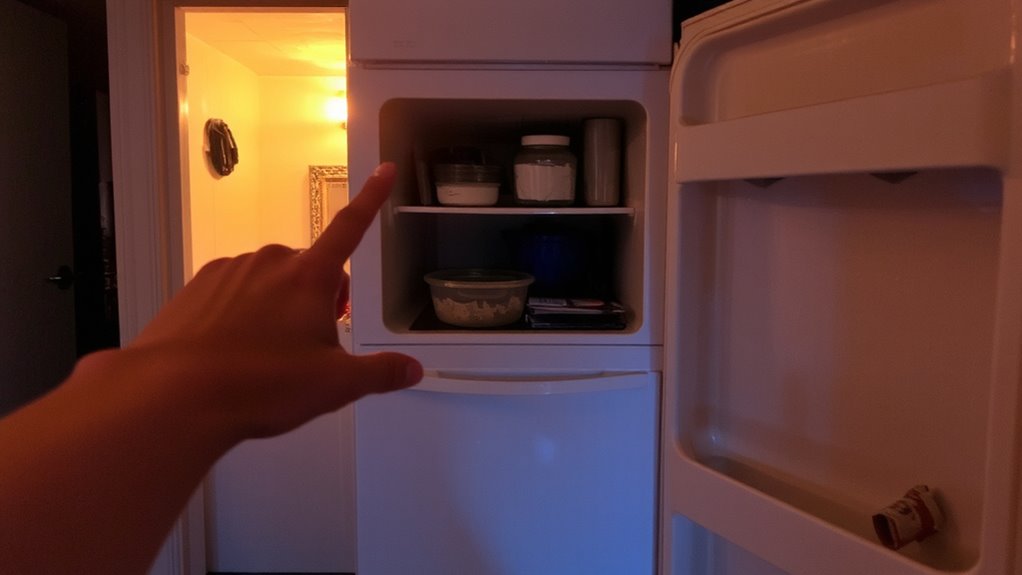
While sharing a living space can cut costs and build camaraderie, it often blurs the lines between personal and common areas-especially when roommates overlook subtle cues about boundaries. You might find their personal clutter in your room or your stress spilling into shared time-what’s called emotional spillover. When no one clearly defines space or expectations, unspoken tensions grow. Walls shrink, privacy thins, and small irritations pile up like unwashed dishes. You want respect, but insisting on it feels awkward. Common zones become negotiation zones, and emotional spillover turns minor messes into mood killers. The lack of physical separation makes emotional separation harder, too. You’re close in ways you didn’t plan for, and that closeness challenges even patient people. Without defined limits, clutter spreads and tempers flare. Living together doesn’t mean living on top of each other-but without effort, that’s exactly what happens.
How To Set Boundaries Without Starting a Fight
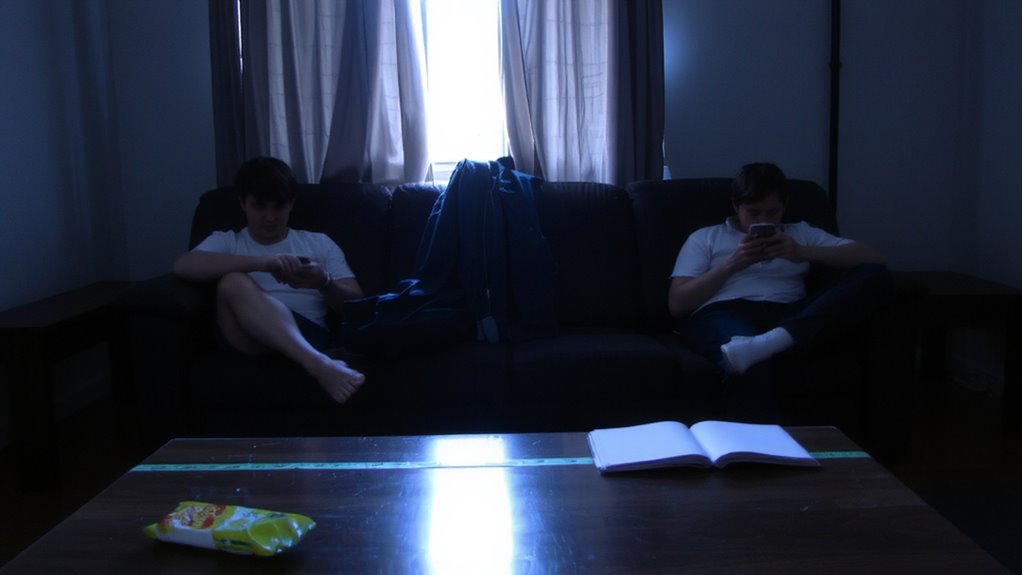
How do you ask for space without sounding cold or confrontational? Setting personal boundaries is key to conflict prevention in shared living, but tone and timing matter. Start by framing requests around your needs, not your roommate’s actions-say, “I need quiet after 10 p.m. to focus,” instead of “You’re too loud.” Use “I” statements to reduce defensiveness and keep the conversation solution-focused. Be specific: vague limits lead to accidental violations. Calmly state the boundary, explain why it matters briefly, and suggest a compromise. Avoid ultimatums-they escalate tension. Remember, consistency reinforces boundaries without hostility. It’s not about building walls, but creating mutual respect. Most conflicts arise from misunderstandings, not malice. Clear, kind communication protects your space while preserving the relationship. It won’t always feel easy, but it’s always worth it.
When and How To Talk To Your Roommate About Space
When should you bring up personal space with your roommate-before tensions flare or after things get awkward? Do it early, ideally during the first week, to set clear expectations. Address privacy considerations calmly-like noise levels, bathroom use, or guests-so everyone feels heard. This isn’t about strict rules but trust building through open, respectful dialogue. Choose a neutral time, not during a conflict, and use “I” statements to avoid sounding accusatory. For example, “I need some quiet time at night to unwind” works better than “You’re always too loud.” Be willing to listen, too. Compromise strengthens co-living more than any agreement on paper. Just remember, good communication helps, but it can’t fix every mismatch-know when your needs truly conflict.
Respect Your Space: And Theirs: in Shared Homes
Since shared living means constantly balancing independence with cooperation, respecting both your space and your roommate’s isn’t just polite-it’s essential for long-term peace. Setting clear personal boundaries helps prevent tension, especially in tight layouts where noise, mess, or interrupted downtime add up fast. You need space to unwind, study, or make calls without feeling watched or disturbed. Use room dividers, headphones, or a simple “do not disturb” sign to mark when you’re off-limits. But don’t forget mutual respect-your roommate has the same right. Agree on quiet hours, shared desk use, and storage limits upfront. Avoid over-investing in bulky office gear unless you both have room. A $100 standing desk won’t help if it crowds the living area. Measure twice, buy once, and always check return policies. For focused work in shared setups, consider using best desk dividers to enhance privacy without permanent changes.
On a final note
You should set clear boundaries in shared spaces to maintain comfort and respect. Define personal zones with physical markers like room dividers or furniture placement, and agree on quiet hours and guest policies. Use storage solutions like labeled bins to prevent clutter conflicts. But be flexible-rigid rules can backfire. Real-world testing shows mesh screens on windows reduce noise but limit airflow. Measure your space before buying office gear; a 40-inch desk may be too wide. Warranties help, but shared damage often isn’t covered. Balance privacy needs with shared responsibilities.