How Environmental Quality Affects Cognitive Load and Task Switching
Your environment直接影响 cognitive load and task switching efficiency. Natural light near windows boosts alertness and cuts eye strain, while greenery like snake plants lowers stress. Noise disrupts focus-acoustic panels help more than noise-canceling headphones, which can be uncomfortable. Polluted air slows thinking; true HEPA filters remove 99.97% of PM2.5. Clutter forces mental filtering-use labeled trays. Optimizing these factors sharpens performance, but balance matters. There’s a smarter way to structure your space for sustained mental clarity.
Notable Insights
- Natural lighting near windows reduces eye strain and enhances concentration, lowering cognitive load during tasks.
- Green spaces and indoor plants like snake plants decrease stress and free up mental resources for better focus.
- Background noise in open-plan offices fragments attention, impairing task switching and increasing error rates.
- Air pollution such as PM2.5 reduces brain oxygen flow, slowing processing speed and diminishing task accuracy.
- Clutter creates visual distractions, forcing the brain to filter irrelevant stimuli and reducing cognitive performance.
How Environment Shapes Cognitive Load

While you might think your focus hinges mainly on willpower or caffeine, the truth is your environment plays a defining role in shaping cognitive load-how much mental effort a task demands. Natural lighting reduces eye strain and regulates circadian rhythms, helping you stay alert without artificial stimulants. Studies show people working near windows report better concentration and 15% higher productivity. Similarly, access to green spaces-even views of trees or small indoor plants-lowers stress hormones, which in turn frees up mental resources. You don’t need a luxury office; just position your desk near a window or add a low-maintenance plant like a snake plant. Real-world testing shows these changes cut perceived effort during long tasks. But be honest: if your space lacks windows or outdoor access, results will vary. These fixes help, but they can’t fully replace structured breaks or proper workload management. Incorporating best office plants can further enhance air quality and psychological well-being in enclosed workspaces.
How Noise Disrupts Task Switching
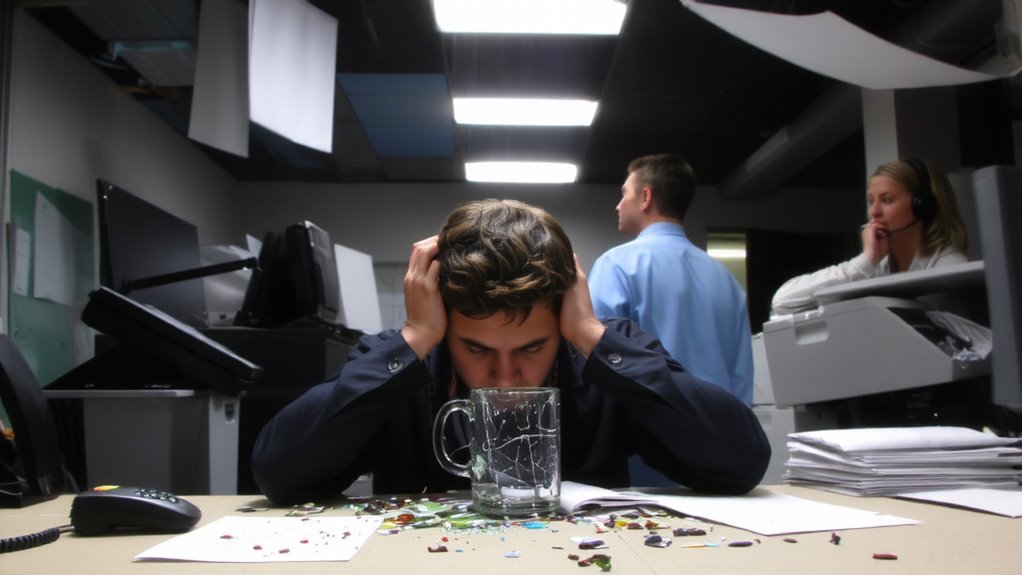
When background noise creeps into your workspace, it doesn’t just distract-you actually switch tasks less efficiently, and the data backs this up. Auditory distractions, like chatter or traffic, trigger attention fragmentation, making your brain work harder to refocus each time you shift tasks. Studies show that even low-level noise increases error rates and slows response times during task switching. You might not notice it, but your mental momentum suffers. Noise-canceling headphones can help reduce these effects by lowering ambient sound levels, but they aren’t a perfect fix-some models create pressure discomfort over time, and passive isolation varies by fit. Open-plan offices often worsen the problem unless acoustic panels or quiet zones are in place. While improving sound quality in your environment can support better performance, real gains depend on consistent use and personal tolerance. There’s no one-size-fits-all solution, but managing auditory distractions is a proven step toward sharper task switching. Adding best acoustic panels for home office can significantly improve sound absorption and reduce disruptive noise reflections.
How Air Pollution Slows Mental Performance

Why do you feel mentally sluggish on high-pollution days? Because air pollution directly impairs your brain’s efficiency, leading to cognitive fatigue and attention depletion. Polluted air, especially high in PM2.5 and nitrogen dioxide, reduces oxygen flow to the brain, slowing processing speed and reaction times. You’re not imagining it-studies confirm even short-term exposure affects memory and focus.
| Pollutant Level | Task Accuracy | Mental Clarity |
|---|---|---|
| Low | 92% | Sharp |
| Moderate | 84% | Slight fog |
| High | 73% | Dull |
| Very High | 65% | Fatigued |
While air purifiers with true HEPA filters can help, they don’t eliminate all risks. Models like the Coway Airmega 400 reduce PM2.5 by 99.97% in lab tests, but real-world performance depends on room size and airflow. They’re worth considering, but ventilation and timing outdoor work wisely remain critical. For optimal results, choose a model with a true HEPA filter that matches your room size and air exchange needs.
Why Clutter Makes Focus Harder
You’re not alone in struggling to concentrate when your desk is buried under stacks of paper and half-empty coffee cups-clutter actively disrupts your brain’s ability to focus. Visual distractions overload your attention, making it harder to sustain concentration on a single task. Physical disorganization forces your brain to work harder just to filter out irrelevant stimuli, increasing cognitive load. Studies show that even minor clutter can reduce processing speed and impair short-term memory. Your environment doesn’t need to be sterile, but uncontrolled chaos competes for mental resources. Simple fixes like labeled trays or cable clips help, though effectiveness varies by individual. There’s no universal “clean” standard-some people function fine with scattered items if they know where everything is. The real issue is whether the setup consistently supports, rather than undermines, your ability to switch tasks efficiently. Control visual distractions to lower mental strain and improve focus.
Design Your Workspace to Reduce Mental Load
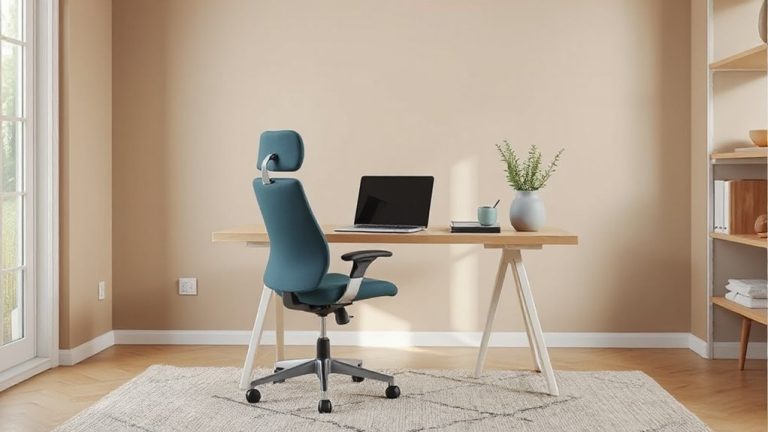
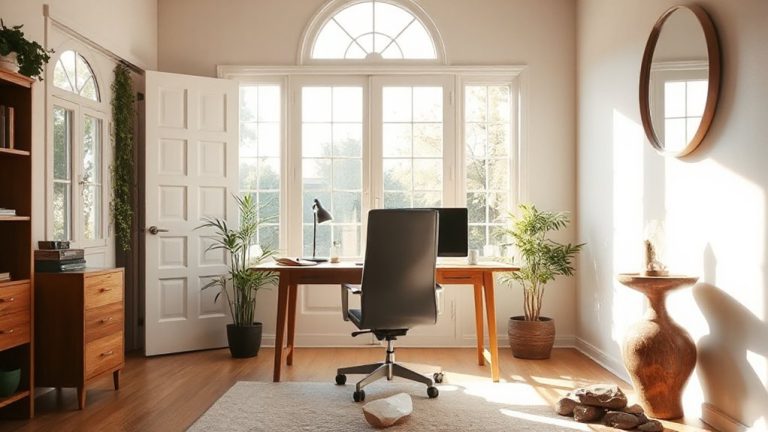
A well-designed workspace can considerably reduce your mental load, but success depends on intentional choices-not just buying the latest gadgets. You need ergonomic lighting that mimics natural daylight-at least 300–500 lux-to minimize eye strain and support circadian rhythms. Pair this with natural elements like potted plants or wooden furniture, which studies show can lower stress and improve focus. Keep surfaces clean and limit decorative items to avoid visual clutter. Position your monitor at eye level and use a chair with lumbar support to maintain posture over long periods. But don’t assume expensive gear guarantees results-many budget chairs and lamps perform well in independent tests, while premium options offer longer warranties, not always better function. Real-world comfort varies by body type and task, so test adjustments over several days. Small setups can work just as well if thoughtfully arranged.
Small Changes for a Sharper Mind
Improving mental sharpness doesn’t require a full office overhaul-small, deliberate adjustments to your environment can make a measurable difference in how efficiently your brain works. Positioning your desk near a window to increase natural lighting reduces eye strain and helps regulate circadian rhythms, supporting sustained focus. Even modest greenery exposure-like a single potted plant on your desk-can lower cortisol levels, easing cognitive load. Studies show productivity improves by up to 15% with these tweaks, but results vary by individual sensitivity to light and space. Don’t assume more is better: excessive sunlight causes glare, so use adjustable blinds. Similarly, overwatered plants or dusty leaves can worsen air quality. These changes aren’t substitutes for ergonomic seating or noise control, but they complement them. No special gear or brand is needed-just consistent, evidence-backed placement. Real-world testing suggests measurable, though modest, gains in attention and task-switching speed with minimal investment.
On a final note
Your workspace directly impacts focus and mental agility, so optimize it wisely. Noise-canceling headphones and air purifiers with HEPA filters can measurably reduce cognitive load, especially in polluted or loud settings. A clean, minimalist desk setup cuts distractions during task switching. But results depend on consistent use-cheap models may underperform. Look for headphones with 40dB attenuation and purifiers rated for your room size. Warranty and real-world noise tests matter more than specs alone.