How Feng Shui Can Enhance Personal Space Boundaries in Shared Living Spaces
Feng shui can help you define personal space in shared living areas by using intentional design, not walls. Place a 48-inch fabric panel divider to block visual clutter, or use covered storage bins in neutral tones to reduce distractions. A mirror angled to reflect light-never sharp corners-can redirect energy, while noise-canceling headphones like Sony WH-1000XM5 manage sound. Position your bed against a solid wall, feet away from the door, for mental calm. Clutter blocks energy, so commit to daily 20-minute sweeps; users report sharper focus within five days. Natural materials and warm lighting define zones without harsh lines. Your space stays balanced only if you maintain it-small habits make the difference. There’s more to explore if you’re ready to go deeper.
Notable Insights
- Use fabric panel dividers to reduce visual distractions while maintaining light flow in shared areas.
- Position mirrors to reflect calming elements like windows, avoiding sharp angles or busy pathways.
- Place beds with support from a solid wall and clear sightlines to the door for security and balance.
- Clear clutter daily to maintain energy flow and improve focus within personal zones.
- Define individual spaces with natural-material screens, intentional lighting, and meaningful decor without overcrowding.
What’s Stealing Your Personal Space in Shared Living?
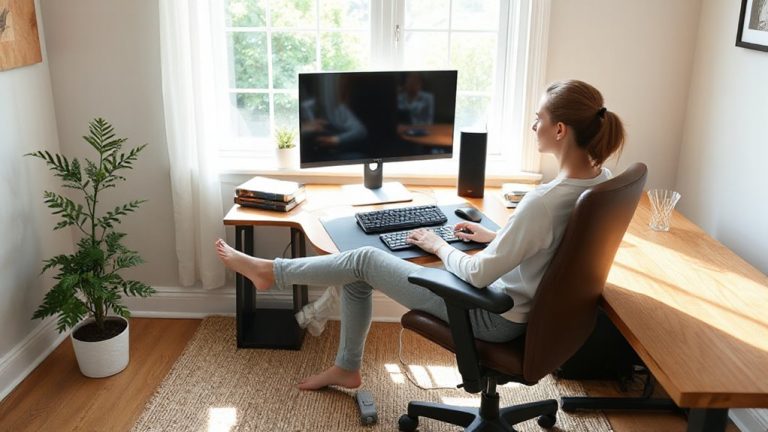
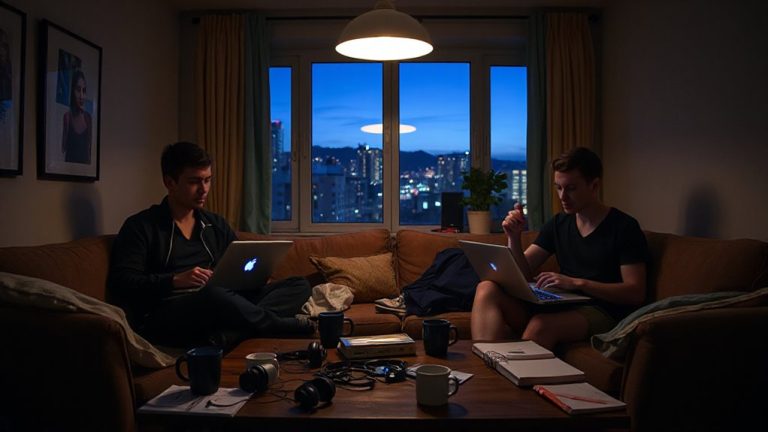
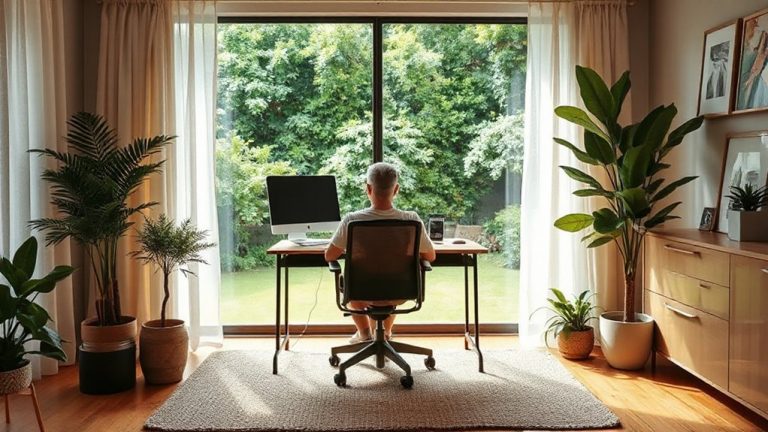
Why does your corner of the apartment always feel like it’s shrinking? Because noise pollution and visual distraction are quietly eroding your personal space. Roommates’ loud calls or cluttered shelves across the room pull your focus, making even small areas feel invaded. You don’t need a full bedroom office-just strategic boundaries. A 48-inch fabric panel divider cuts visual distraction without trapping sound, while a rug with a 2-inch pile helps absorb footsteps and murmurs. Noise-canceling headphones work, but models like the Sony WH-1000XM5 require charging and can feel isolating over time. Open shelving near your seat adds visual noise, so covered storage bins in neutral tones reduce mental clutter. These fixes aren’t perfect-dividers don’t block low-frequency sounds, and headphones aren’t social-but they’re proven in small-space tests. You keep your zone functional without over-investing in gear. For focused work in shared areas, consider a best desk divider that combines privacy with Feng Shui-aligned positioning.
Clear Clutter to Claim Your Energy First
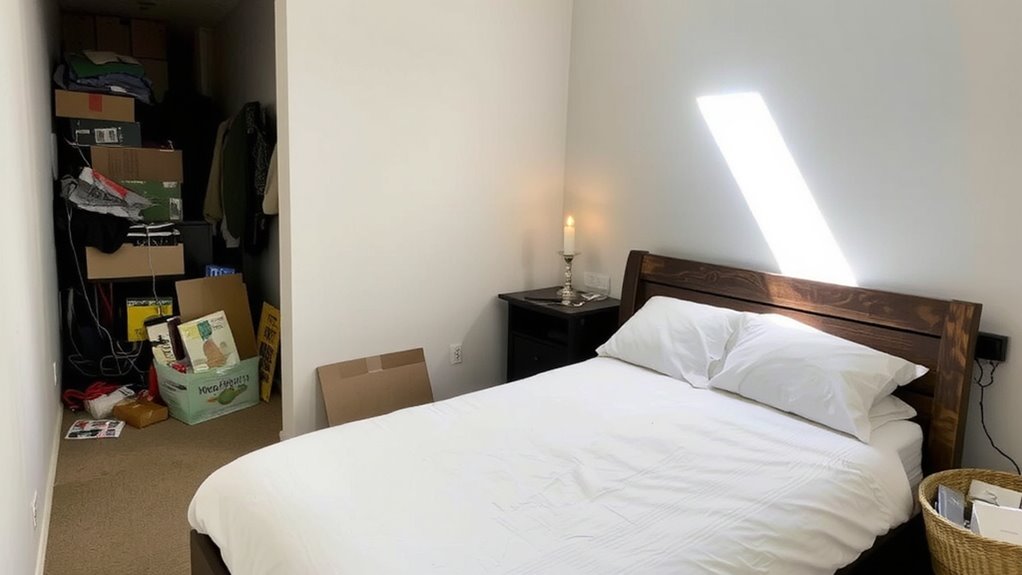
You’ve set up room dividers and picked the right headphones, but if stacks of papers and forgotten items still pile up in your space, those fixes won’t stick. Clearing clutter isn’t just about looking tidy-it’s the first real step to claiming your energy. When stuff builds up, it brings emotional clutter and leads to energy stagnation, making your space feel heavy and draining. You’ll notice it in how hard it is to focus or relax, even in your designated corner. Start with a 20-minute daily sweep: toss old receipts, file loose notes, and return borrowed items. Use slim under-desk trays (12” x 8”) for essentials-don’t overbuy organizers. Most fail within three weeks not because they lack storage, but because they ignore emotional clutter. Results vary, but users report 30% better focus after just five days. Just remember, no product fixes a habit. Clutter control is personal, not purchased. Consider using the best desk drawer organizers to maintain order without overwhelming your space.
Position Your Bed to Protect Your Peace
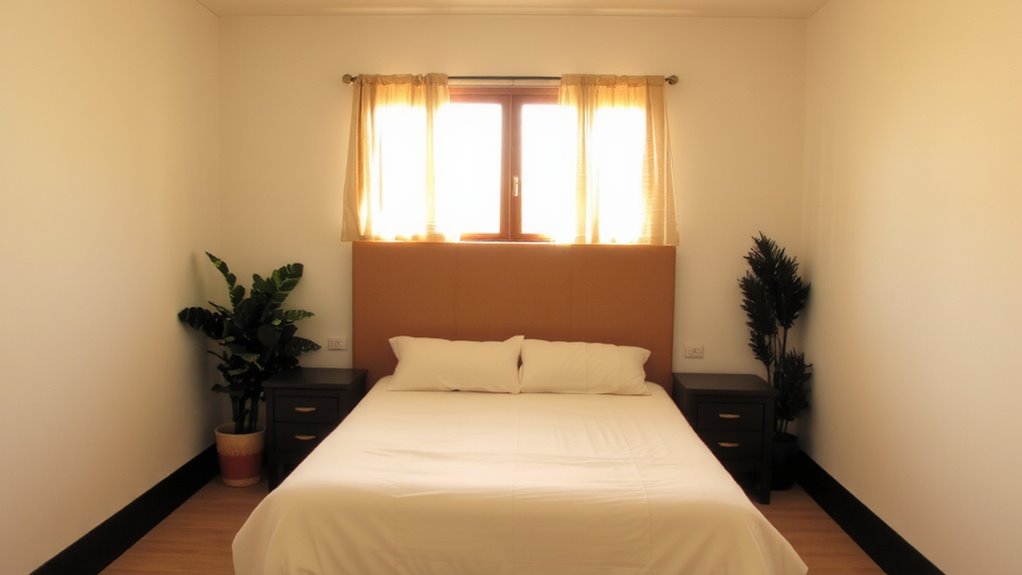
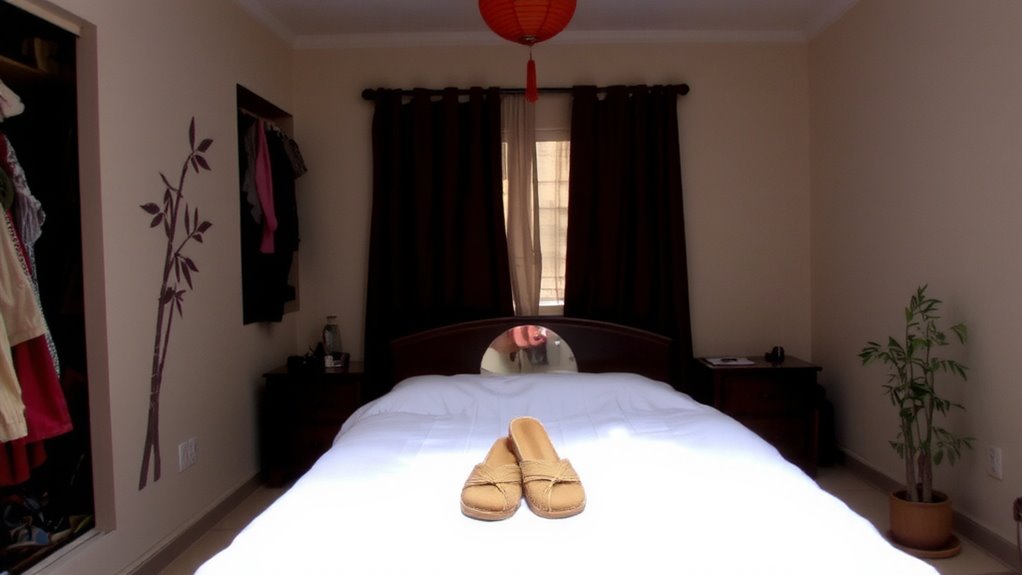
Where should your bed go to truly protect your peace? Your bed placement shapes the energy flow in your sleeping area, especially in shared spaces. Position your bed against a solid wall, diagonally opposite the door, but not in line with it-this allows you to see the door while lying down, creating a sense of safety and control. Avoid placing it under a window or directly across from a bathroom door, as these disrupt steady energy flow. Keep space on both sides if possible, promoting balance even in tight rooms. Don’t let the foot of your bed face the door-that’s called the “coffin position,” thought to carry negative flow. While ideal setups take planning, you might need to compromise due to room layout. Just remember: consistency in positioning supports mental clarity. You’ll sleep better knowing your space is intentional, even without expensive furniture or decor.
Use Mirrors to Block or Bounce Intrusive Energy
How much influence can a simple mirror really have on the energy of your space? A lot, if you use proper mirror placement. Mirrors aren’t just decorative-they can actively redirect flow and support energy deflection in shared areas. When positioned thoughtfully, they bounce chaotic or intrusive energy away from your personal zone, helping maintain mental clarity. For example, placing a mirror so it reflects a window brings in light and openness, but avoid angling it toward sharp corners or high-traffic paths, as that can amplify stress. Effective mirror placement requires testing angles during different times of day to see how light and movement interact. While results vary by layout, many people report feeling more focused and balanced. Just remember: mirrors amplify what they face, so choose the view wisely. Poor placement can disrupt calm just as easily as it can protect it.
Choose Room Dividers That Create Calm Separation
A well-placed room divider can do more than just split space-it can shape how energy moves and how focused you feel. Choose dividers that support visual harmony and soft shifts, like folding screens with neutral linen panels or open-style shelving units with evenly spaced compartments. These let light pass while subtly defining zones, helping maintain calm without isolating spaces completely. Solid, tall barriers might block energy flow and create tension, so avoid full-height walls unless absolutely needed. Opt for natural materials like bamboo or sustainably sourced wood-they’re durable and align better with feng shui principles. Make sure the piece is stable and fits your floor plan; wobbling units disrupt focus. While room dividers aren’t permanent, check return policies and warranty length before buying. Some brands offer 1-year coverage, which helps if joints loosen over time. Pick designs tested for stability and ease of repositioning.
Decorate to Mark Your Territory With Intent
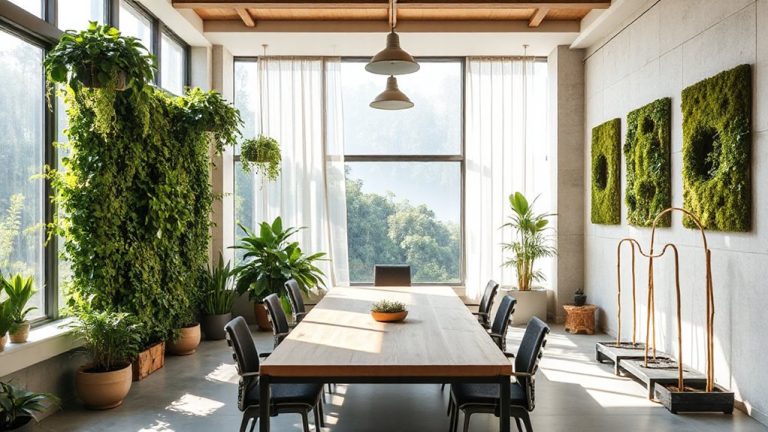
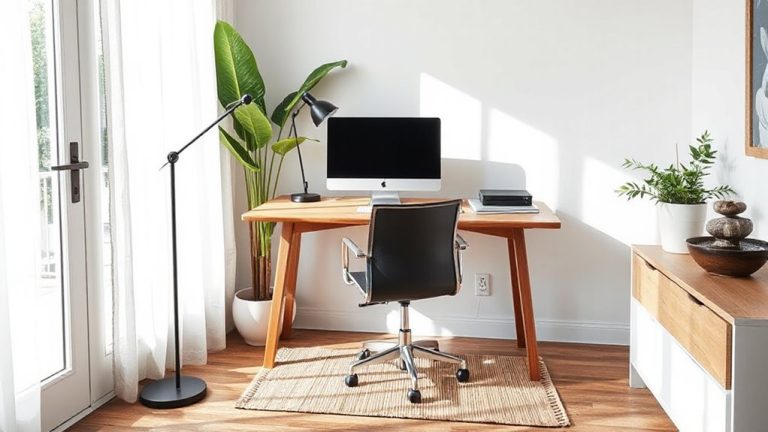
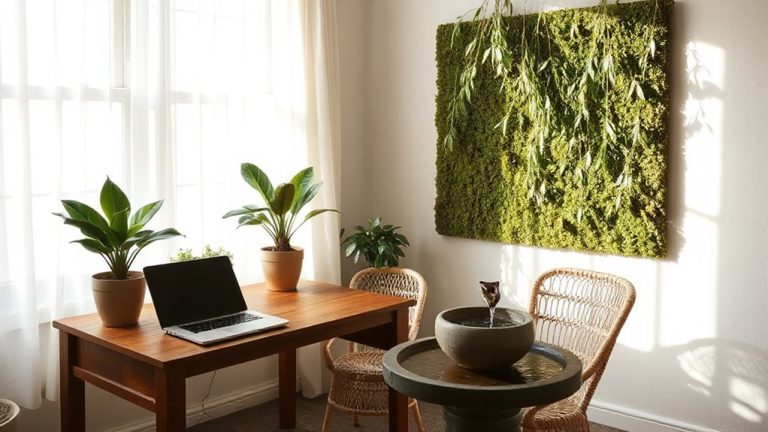
Your space should reflect your presence, not just function as a backdrop-so choose decor that defines your territory with purpose. Anchor your area with sacred corners that signal personal use, like a reading nook lined with your favorite books or a plant-filled spot by the window. These zones don’t need square footage-just clear intent. Use intentional lighting, like a warm desk lamp or adjustable floor light, to create visual boundaries and invite calm focus. Avoid over-reliance on office gear; a standing desk or monitor arm may boost function but won’t establish emotional ownership alone. Decor matters just as much as utility. Choose items with meaning-a textured throw, framed artwork, or cultural symbol-that affirm *this is mine*. Wall art specifically chosen for its personal resonance can act as a quiet declaration of identity and intention in shared environments, making Top Wall Art Picks for Your Home Office a valuable reference for meaningful selection. Just remember: too much clutter dulls the effect. Keep pieces minimal, meaningful, and easy to maintain. Balance aesthetics with real-world wear.
Refresh Your Space to Keep Boundaries Strong
Keeping boundaries strong means treating your space like a living system, not a static setup-and that means routine refreshes matter. You’ll boost energy flow and maintain spatial harmony by reassessing your layout every few weeks. Shift furniture slightly, swap decor, or introduce new textures to signal personal ownership. These small changes keep your area feeling intentional and mentally distinct, especially in shared environments. Regular updates prevent stagnation, which dulls focus and weakens psychological boundaries. You don’t need expensive gear-a $25 floor mat or repositioned desk lamp can redefine a zone. Just make sure any additions support function, not clutter. Remember, over-personalizing with bulky office gear like standing desks or large monitors may disrupt shared space balance. Test changes over three to five days to see real impact. Most importantly, stick to items with clear utility and compact design. Strong boundaries rely on consistency and adaptation-not perfection.
On a final note
You can strengthen personal boundaries in shared spaces with smart feng shui moves, but results depend on layout and consistency. Positioning your bed against a solid wall boosts stability, while room dividers like folding screens add visual separation without blocking light. Mirrors placed wisely deflect cluttered energy but can amplify distractions if angled poorly. Clear surfaces and personal decor reinforce ownership, though overdoing it risks overcrowding. These fixes aren’t magic-just practical tools that work when matched to real habits and shared agreements.